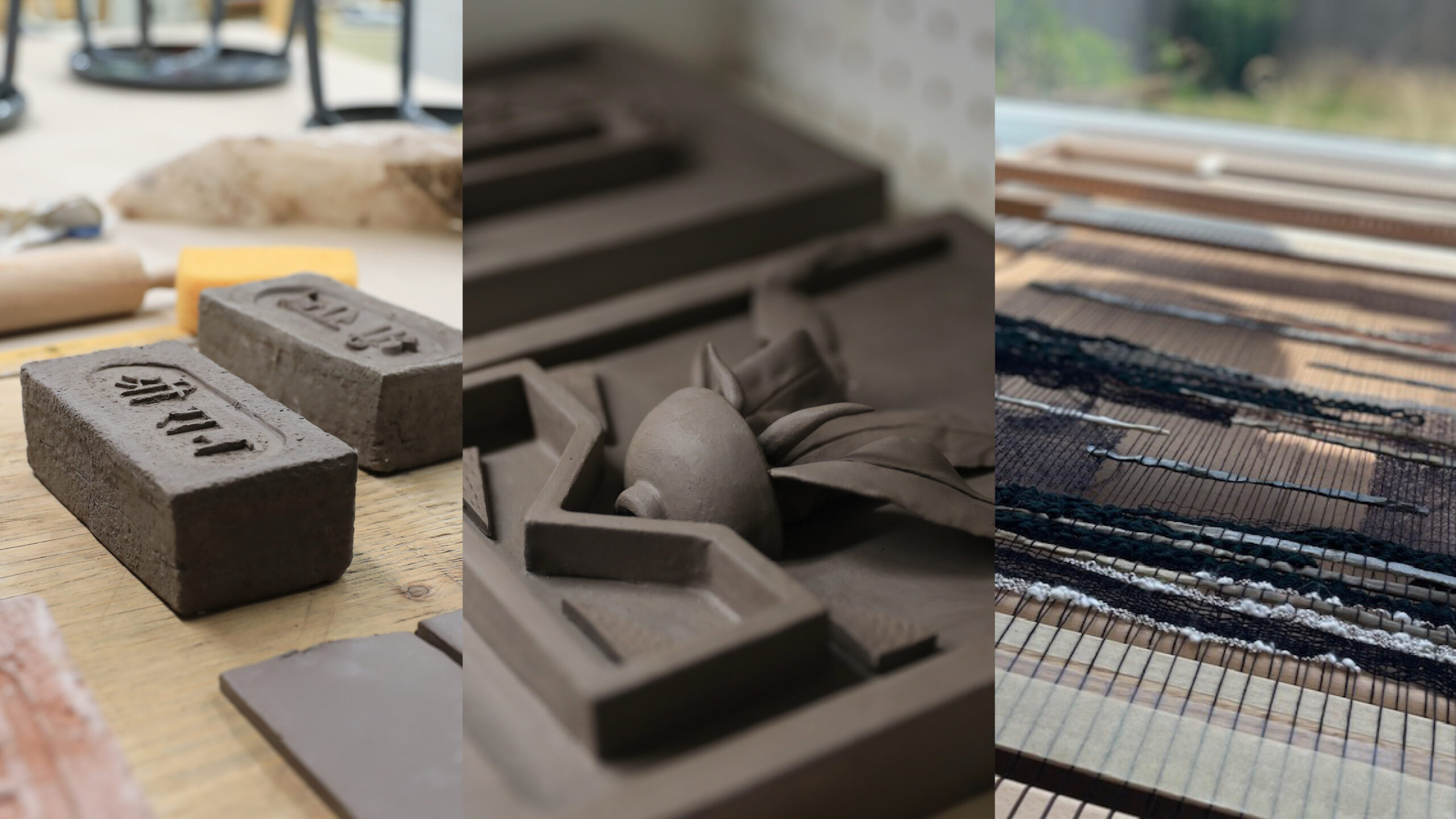
The artist-in-residence programme at the Visual Arts Centre (VAC) offers artists the opportunity to work in a fully-equipped ceramic studio among a community that shares the same passion for clay and its many possibilities. This year, a jury selected three artists to participate in our residency programme over the summer of 2025.
Join us in the gallery on August 14 for a presentation and discussion with the artists in residency, 6 to 8 pm.
Kyoko Kii
Bio : Kyoko Kii is born in Tokyo and raised in a home filled with quiet creativity, surrounded by embroidery, painting, knitting, and the art of textile dyeing. After studying at Musashino Art University, she explored traditional craft and design through interior studio work and later founded a brand rooted in Japanese traditional weaving, collaborating with people with Down syndrome. In 2022, she returned to her art journey through ceramic — shaped by the Japanese values of imperfection, silence, and nature. In 2024, she trained in Bizen, one of the Japanese ancient kilns, deepening her connection with clay, fire and tradition. Her work seeks to hold stillness—simple, imperfect forms that serve as gentle reminders of our place in nature, carrying memory and touch.
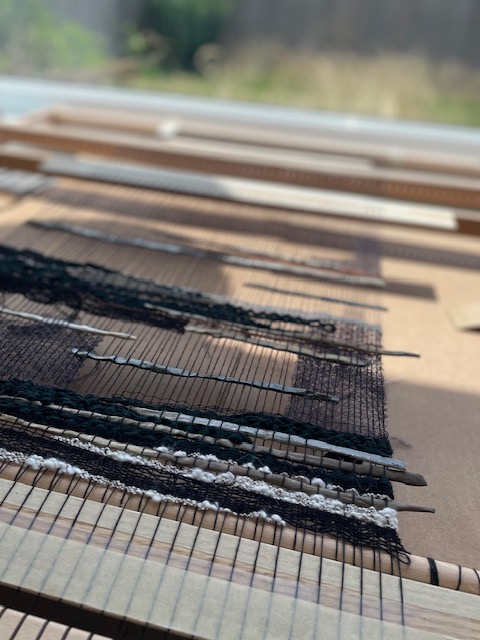
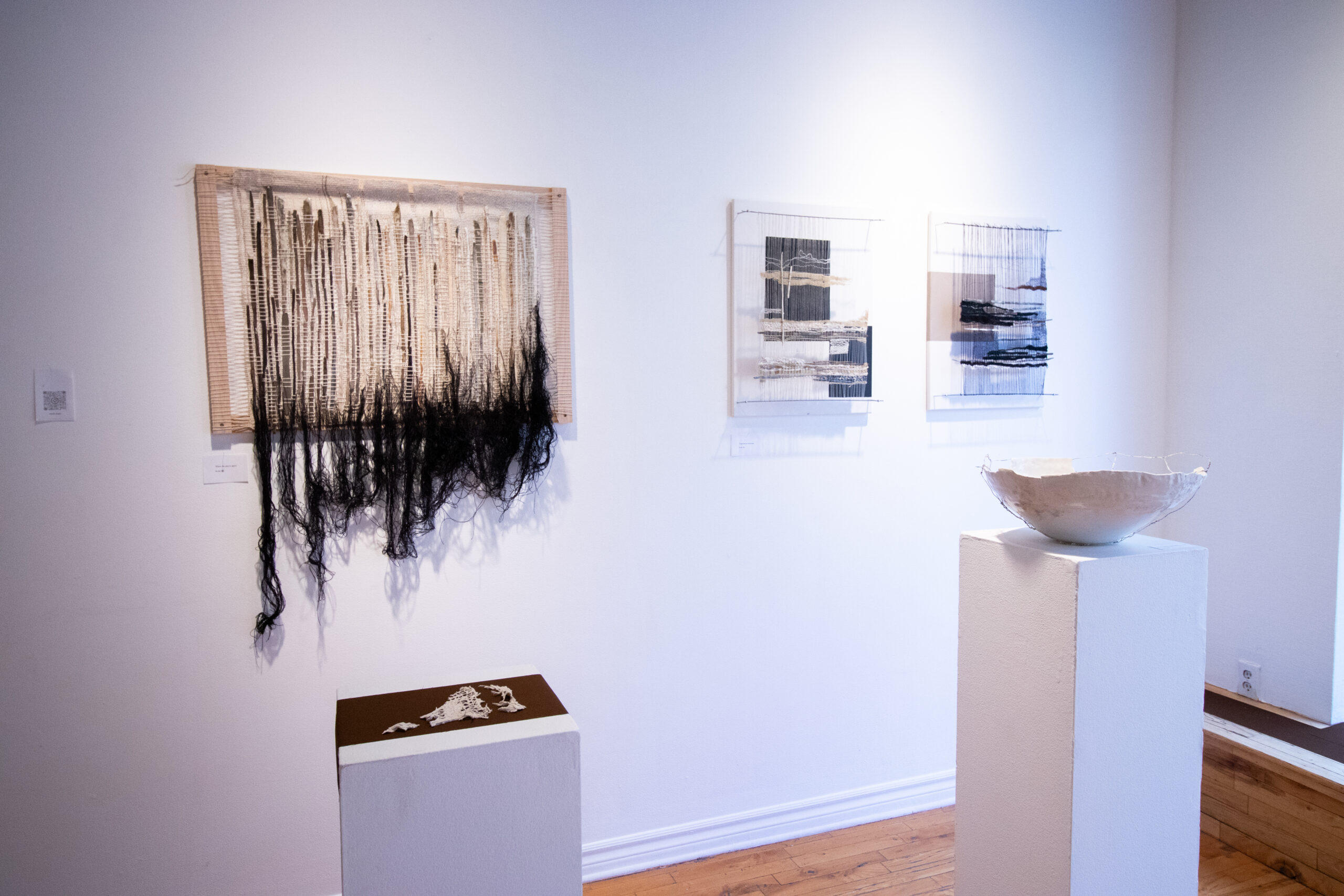
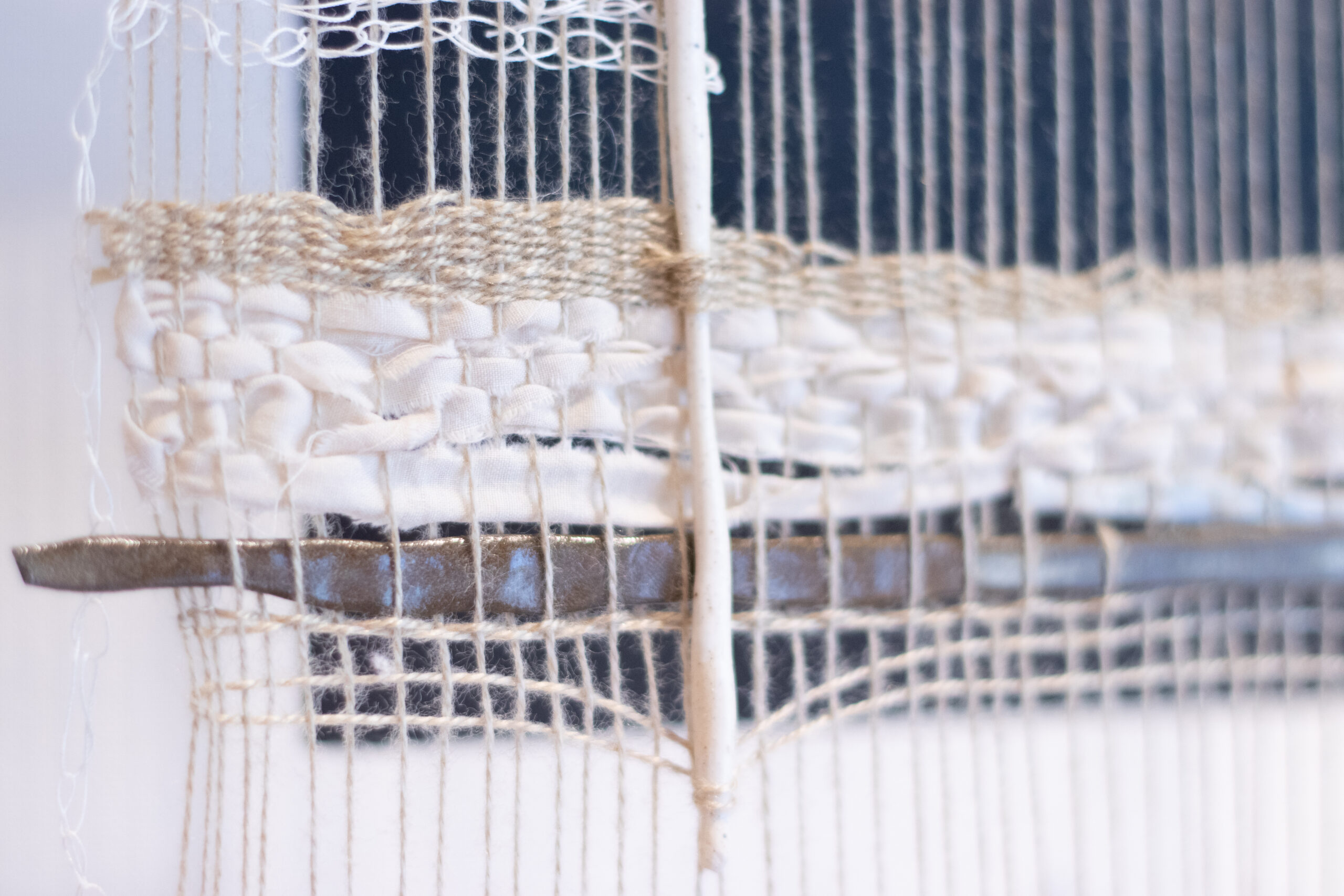
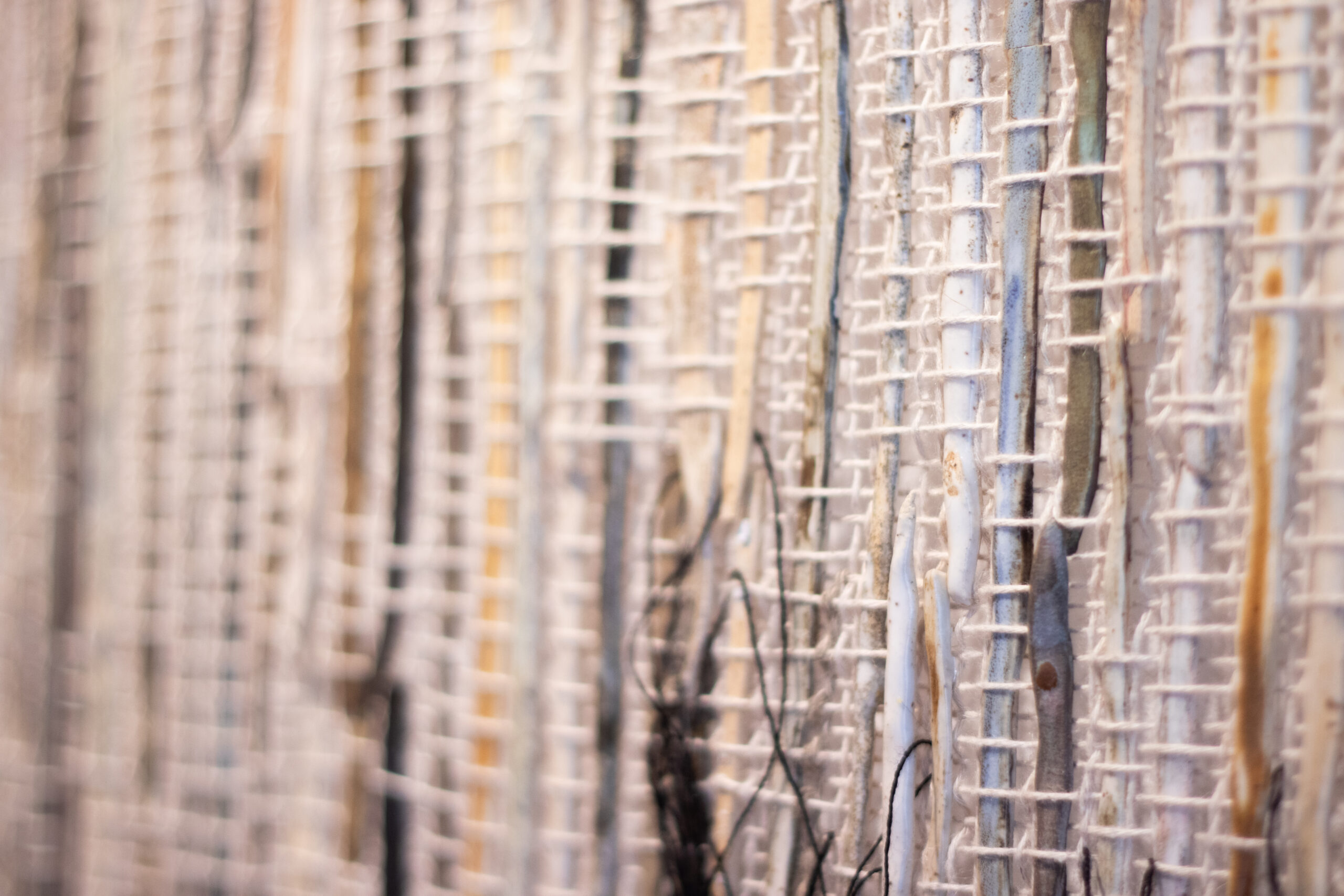
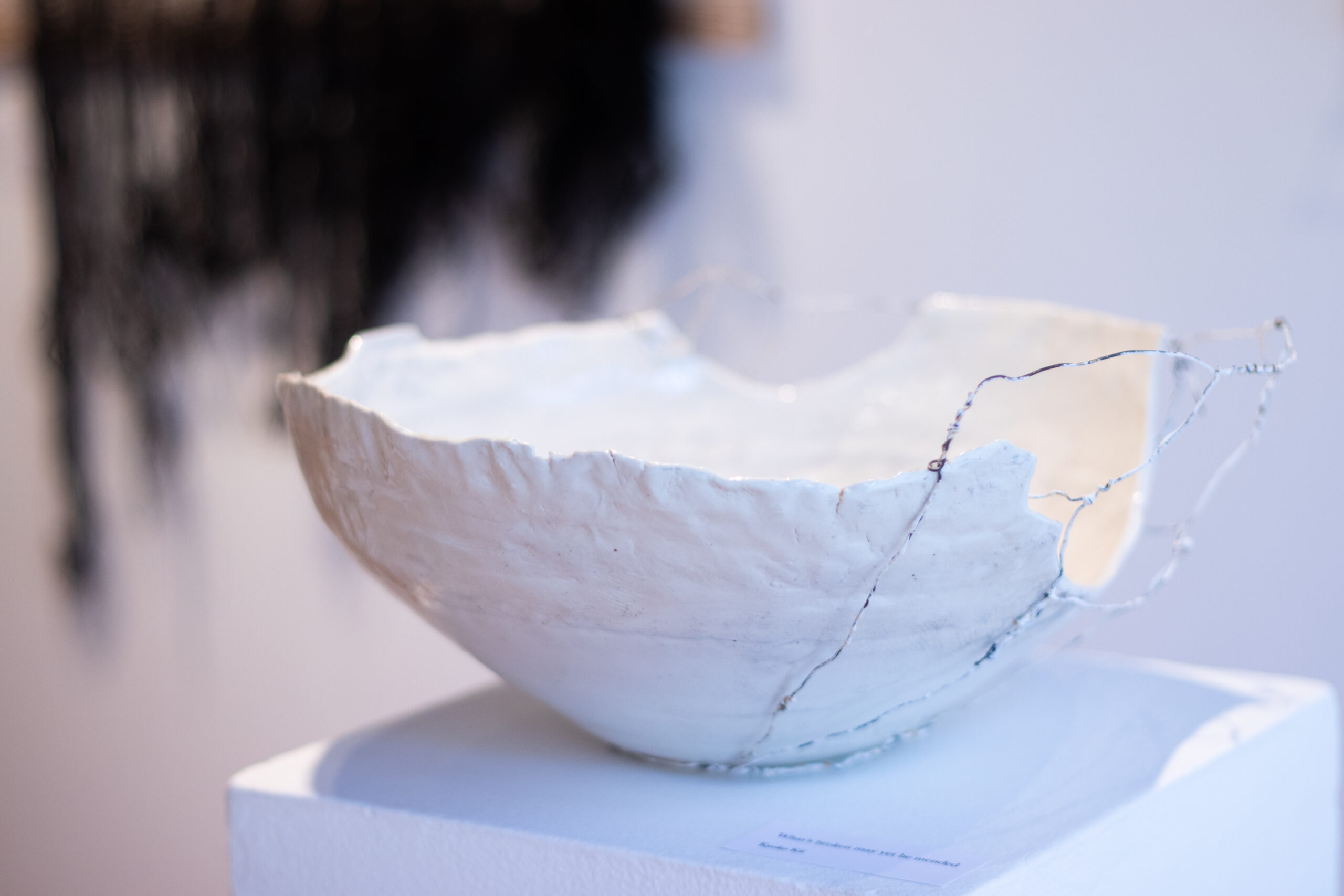
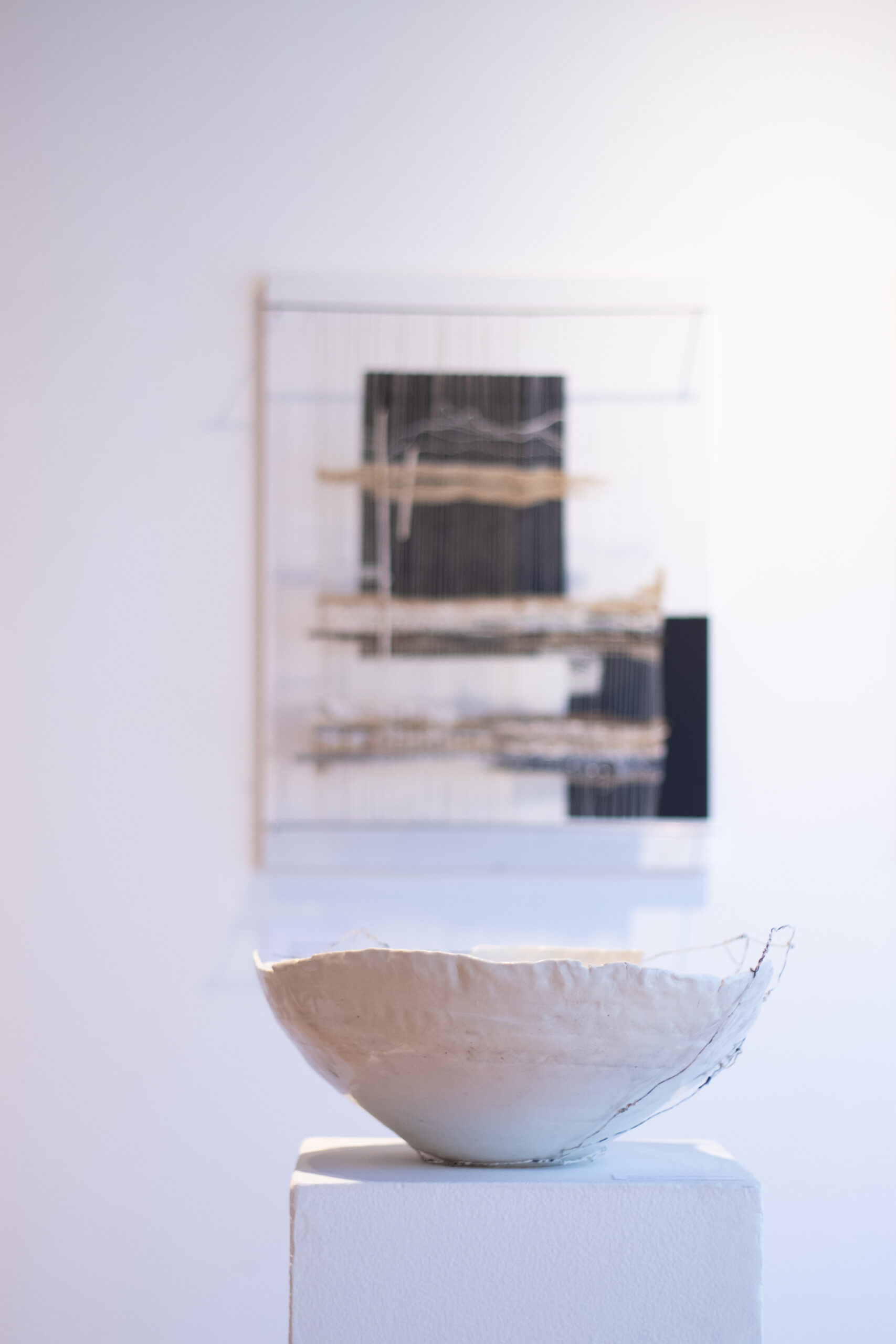
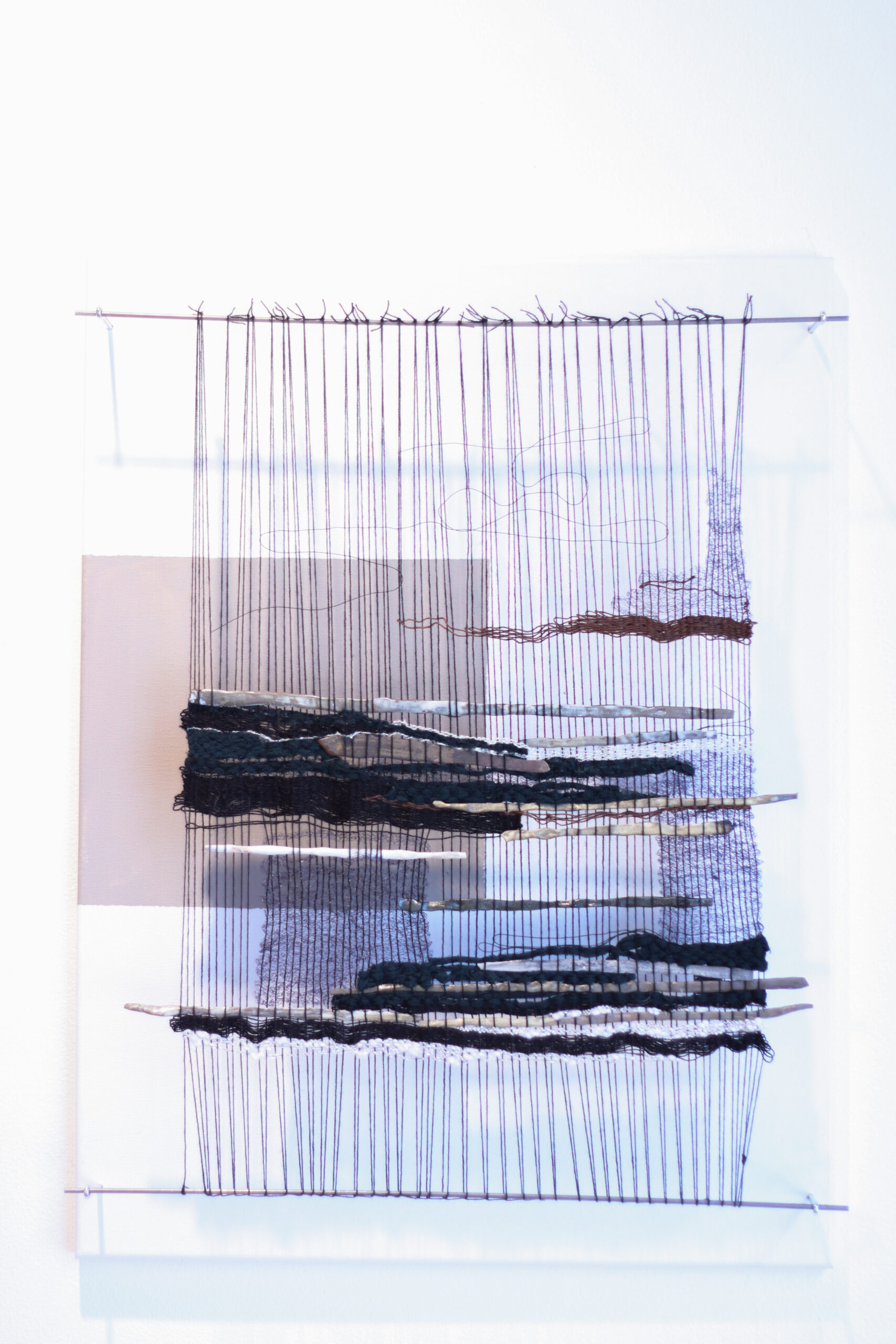
Project description: A quiet interplay between ceramics and weaving mainly becomes an expression of “fragments of memories”, preserved through form and texture.
Yen-Chao Lin
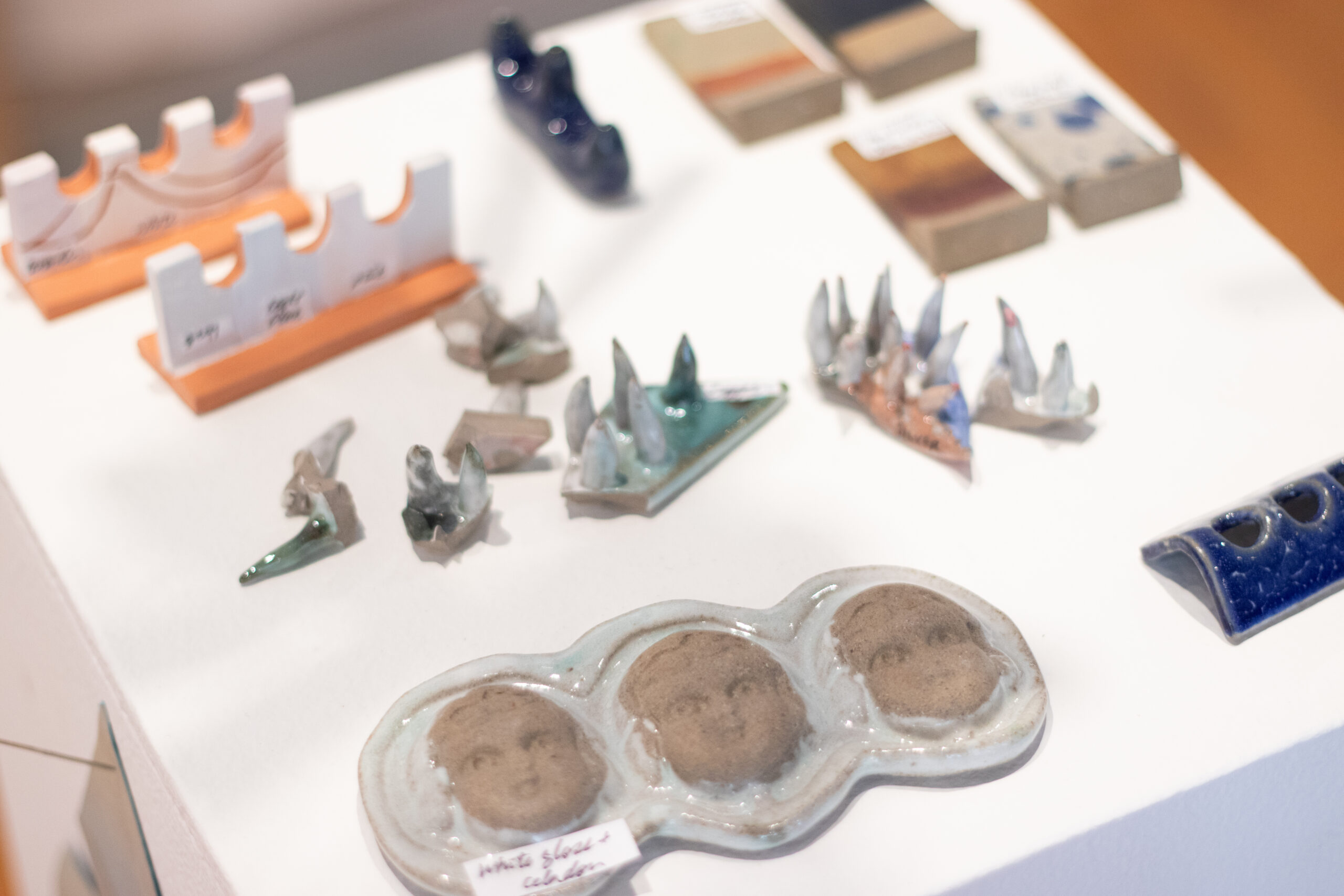
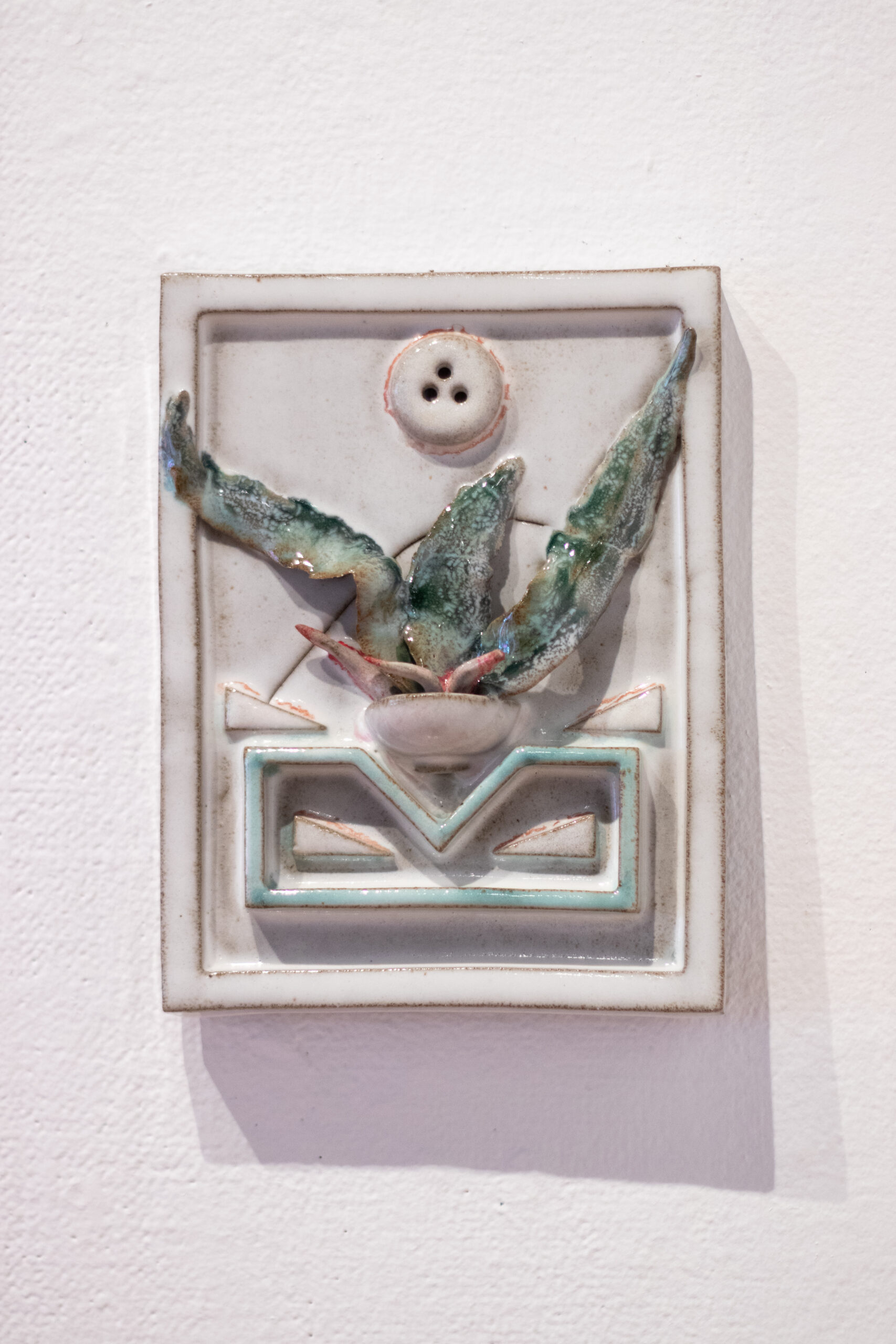
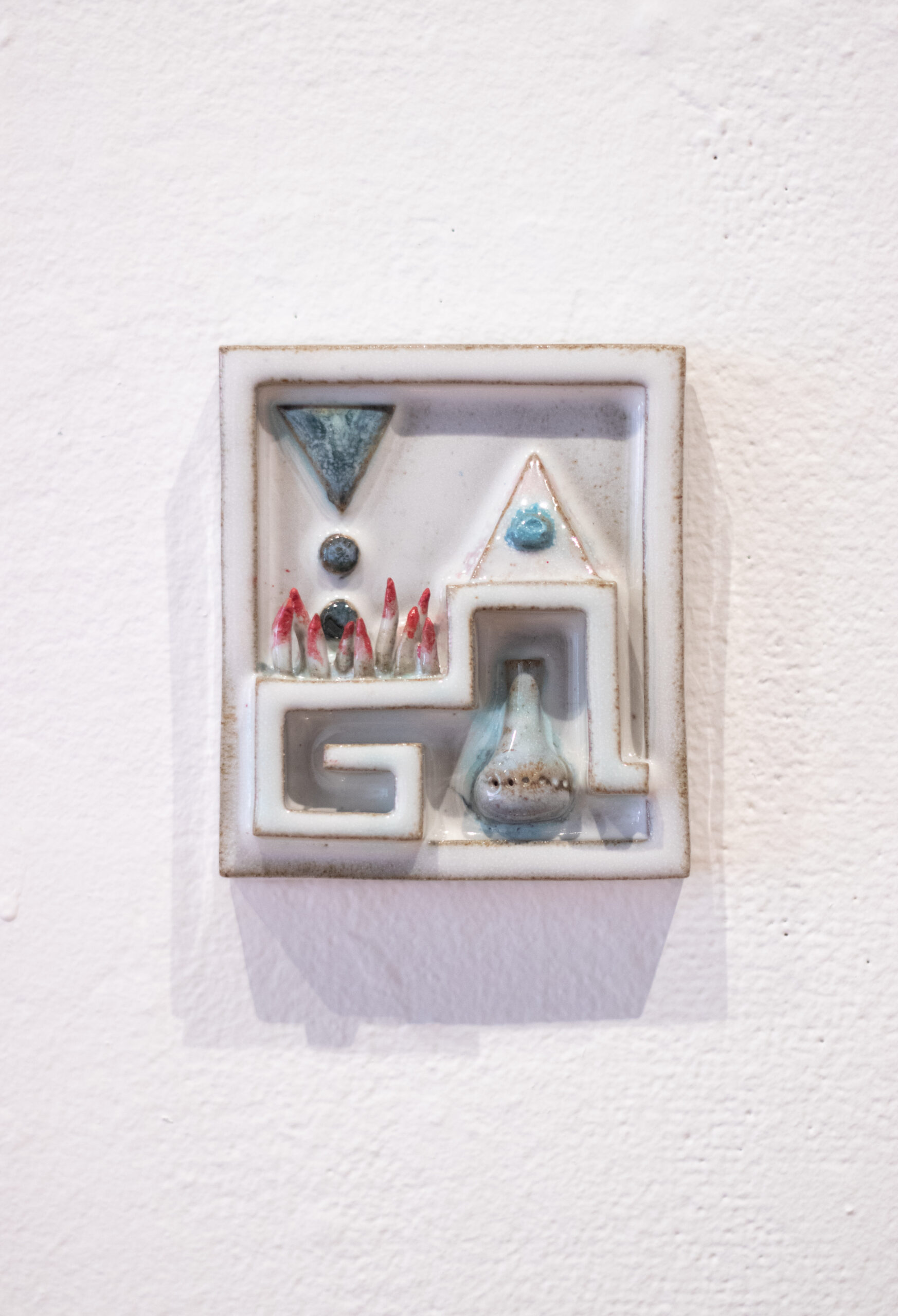
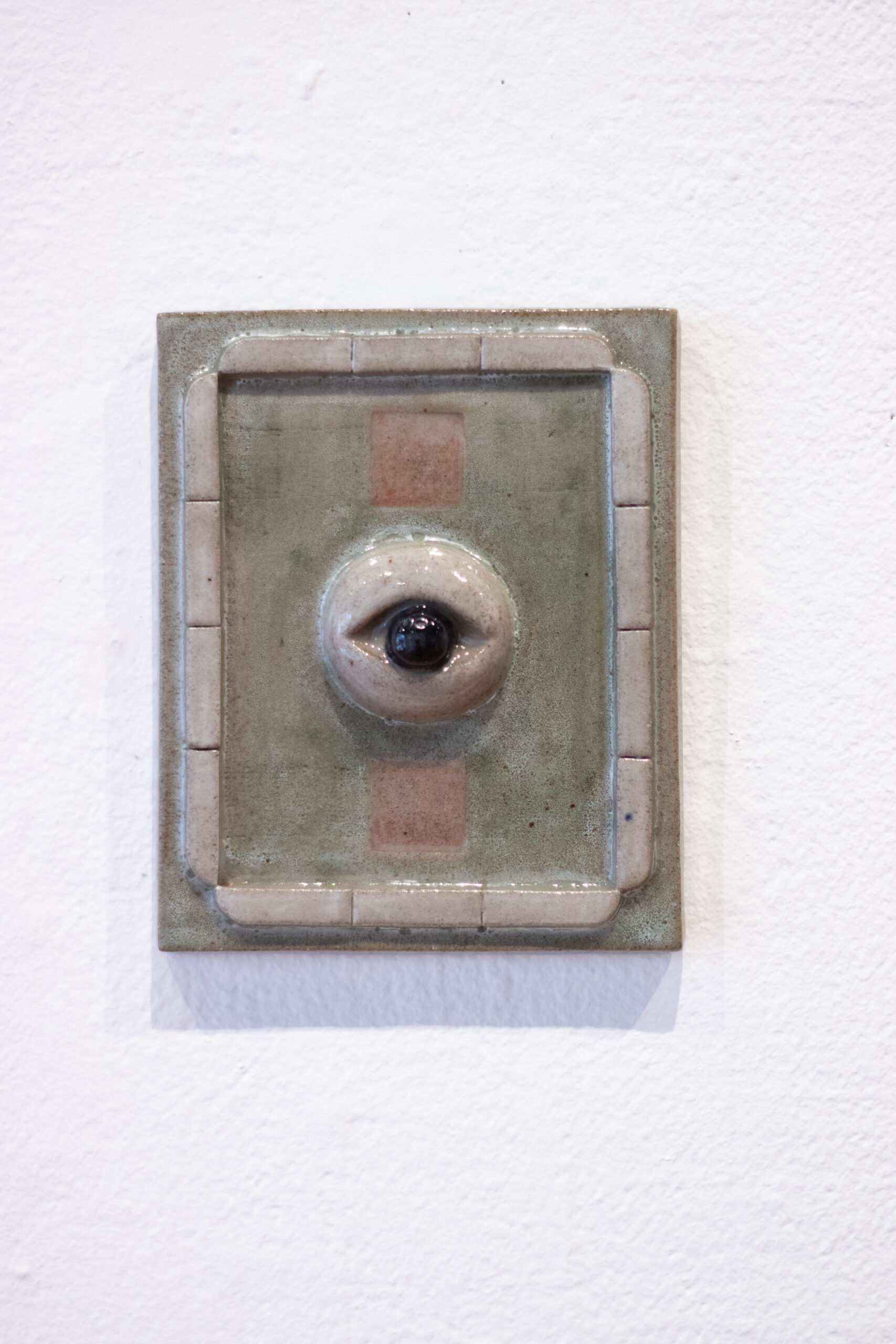
Bio : Yen-Chao Lin 林延昭 is a Taipei-born Montreal-based multidisciplinary artist. Having grown up in a multifaith family, she is interested in religion, spirituality, divination arts, dowsing, occult sciences, alchemy, Feng Shui, oral tradition, and power - everything that can be sensed, but not necessarily seen. As a natural history enthusiast and an avid collector, Yen-Chao gathers specimens of mineral, botanical, animal and industrial origins, including objects that stare at the vestiges of a recent or distant past, with a story to tell. Through means of intuitive play, collaboration, scavenging and collecting, her tactile practice often incorporates various craft techniques, such as copper enameling, ceramic, and glass works; creating installations, sculptures, and experimental films.
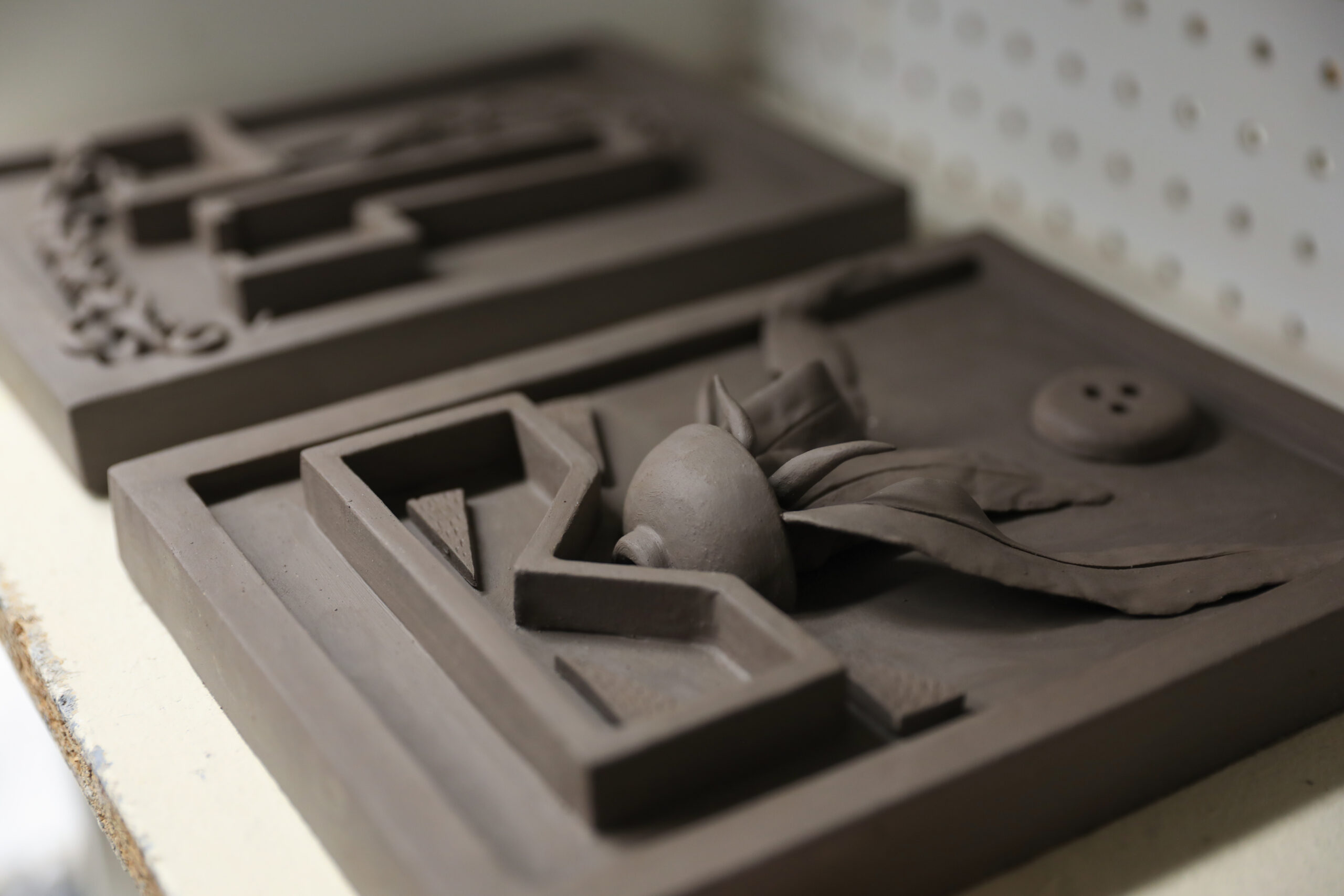
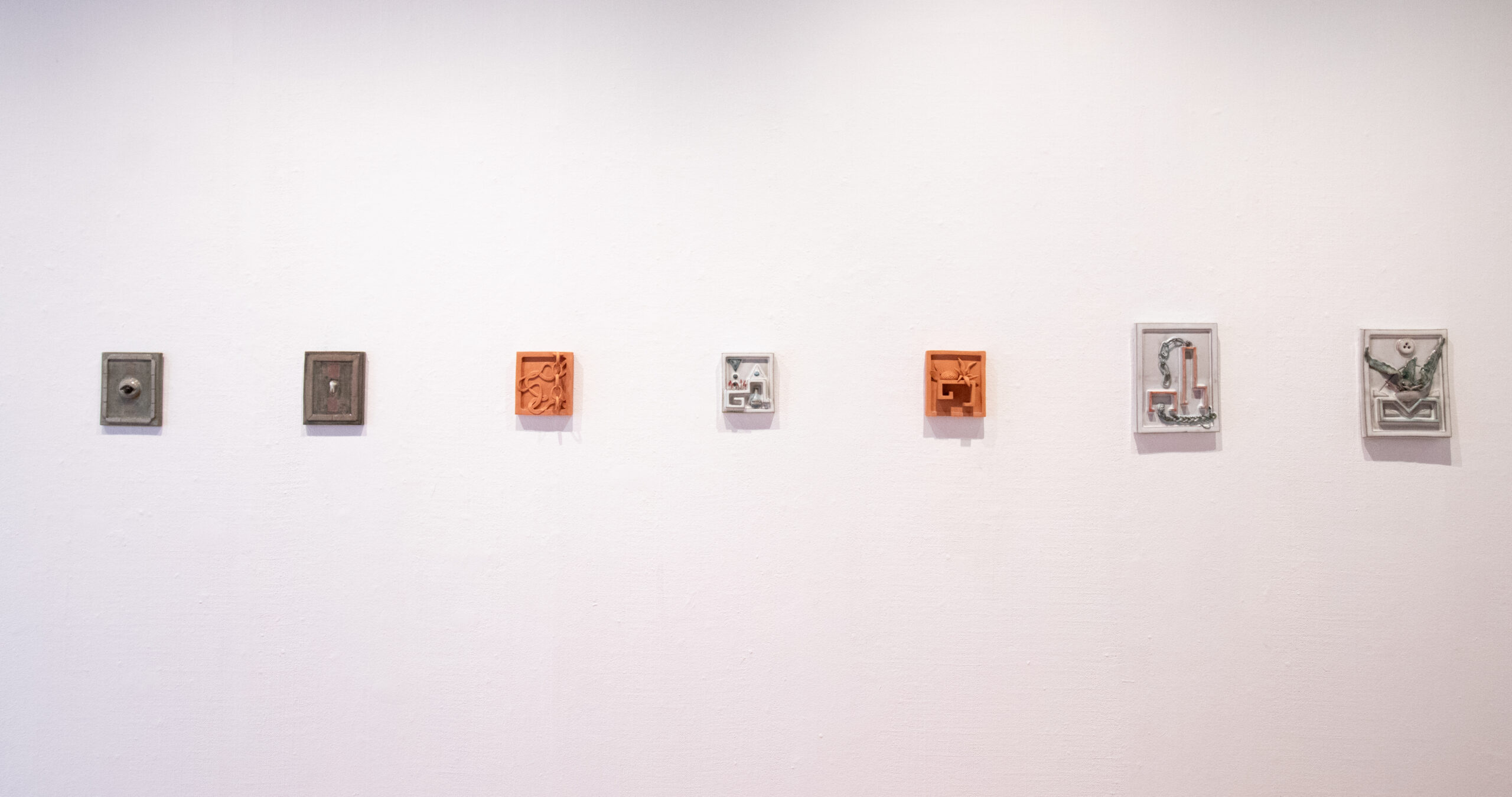
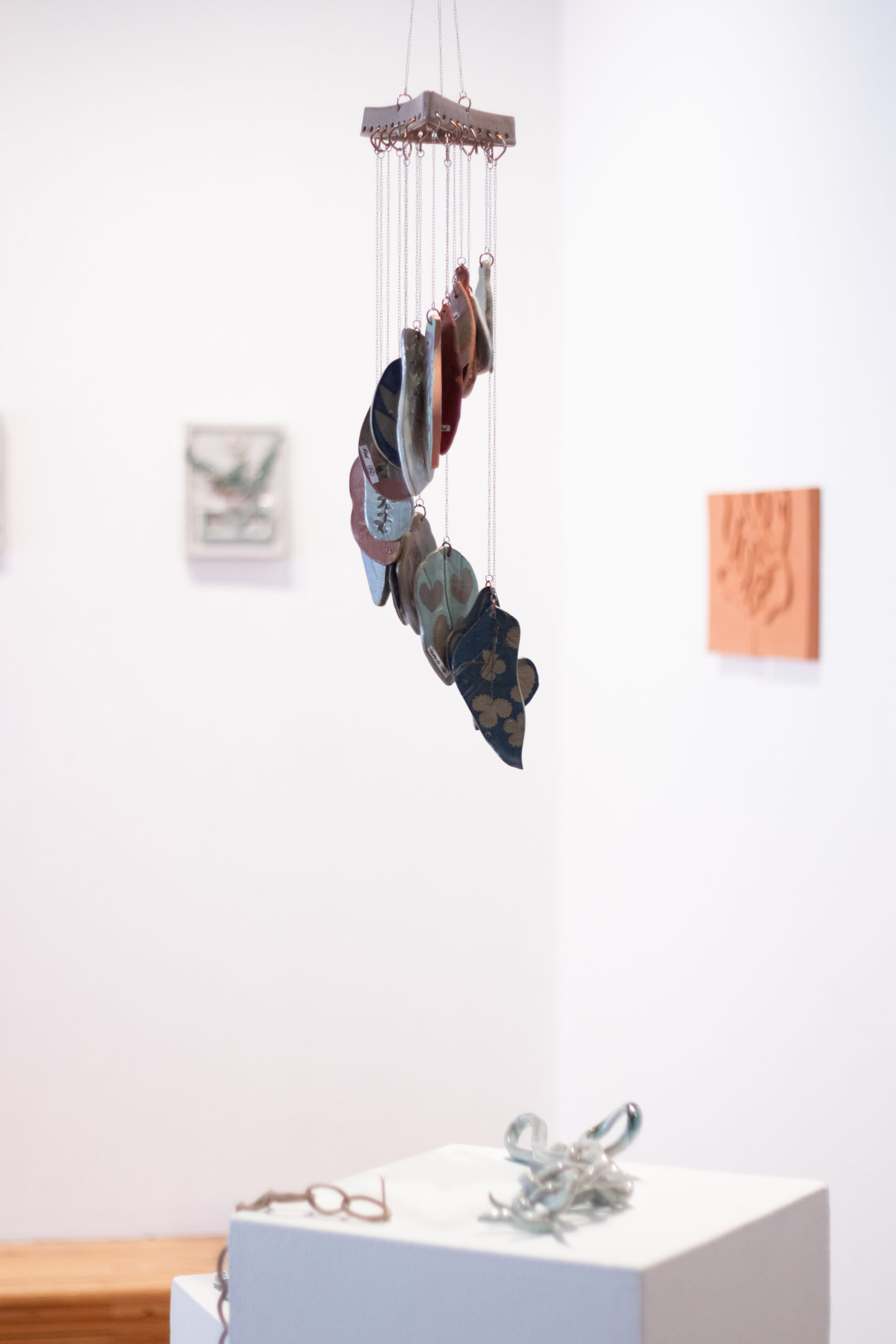
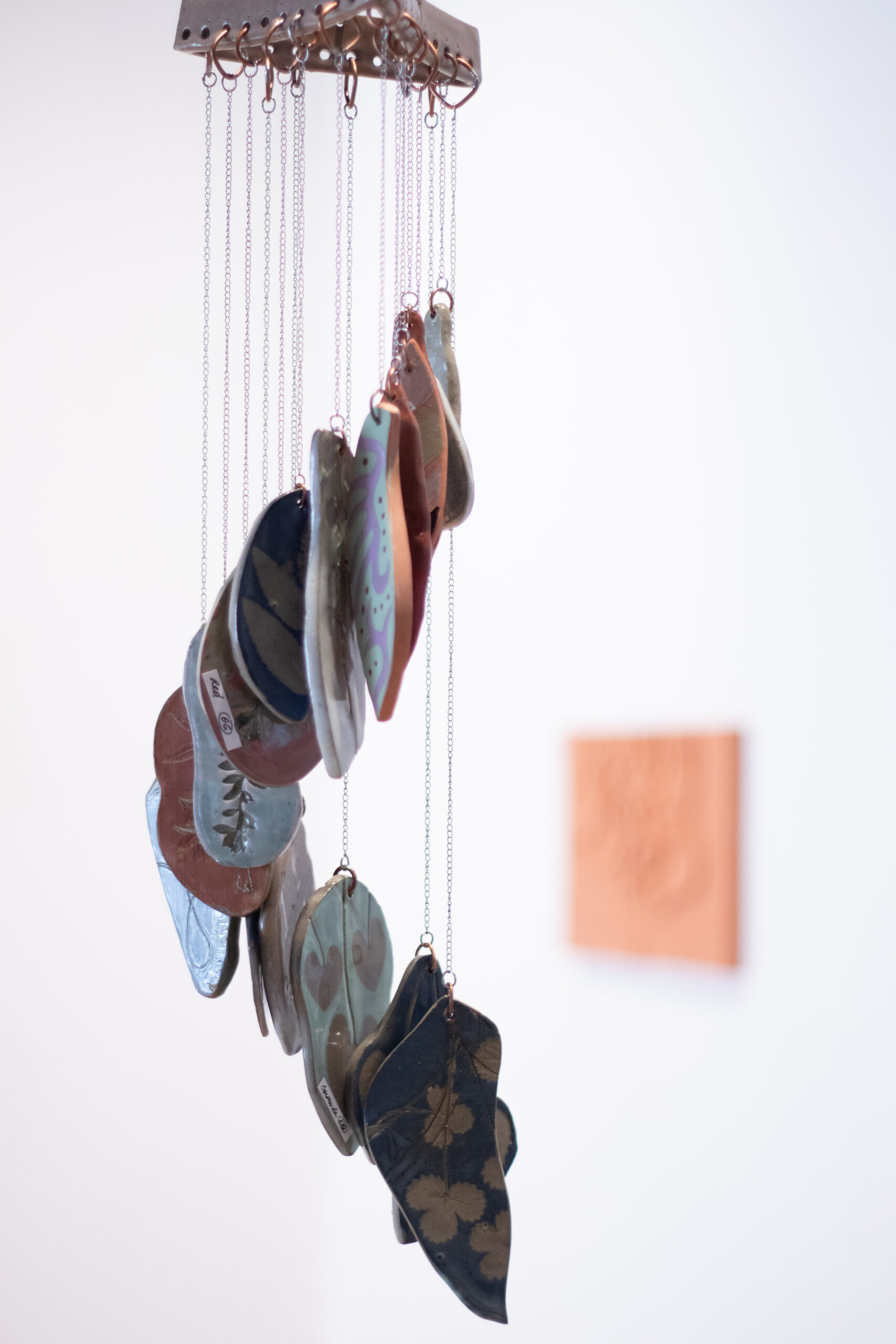
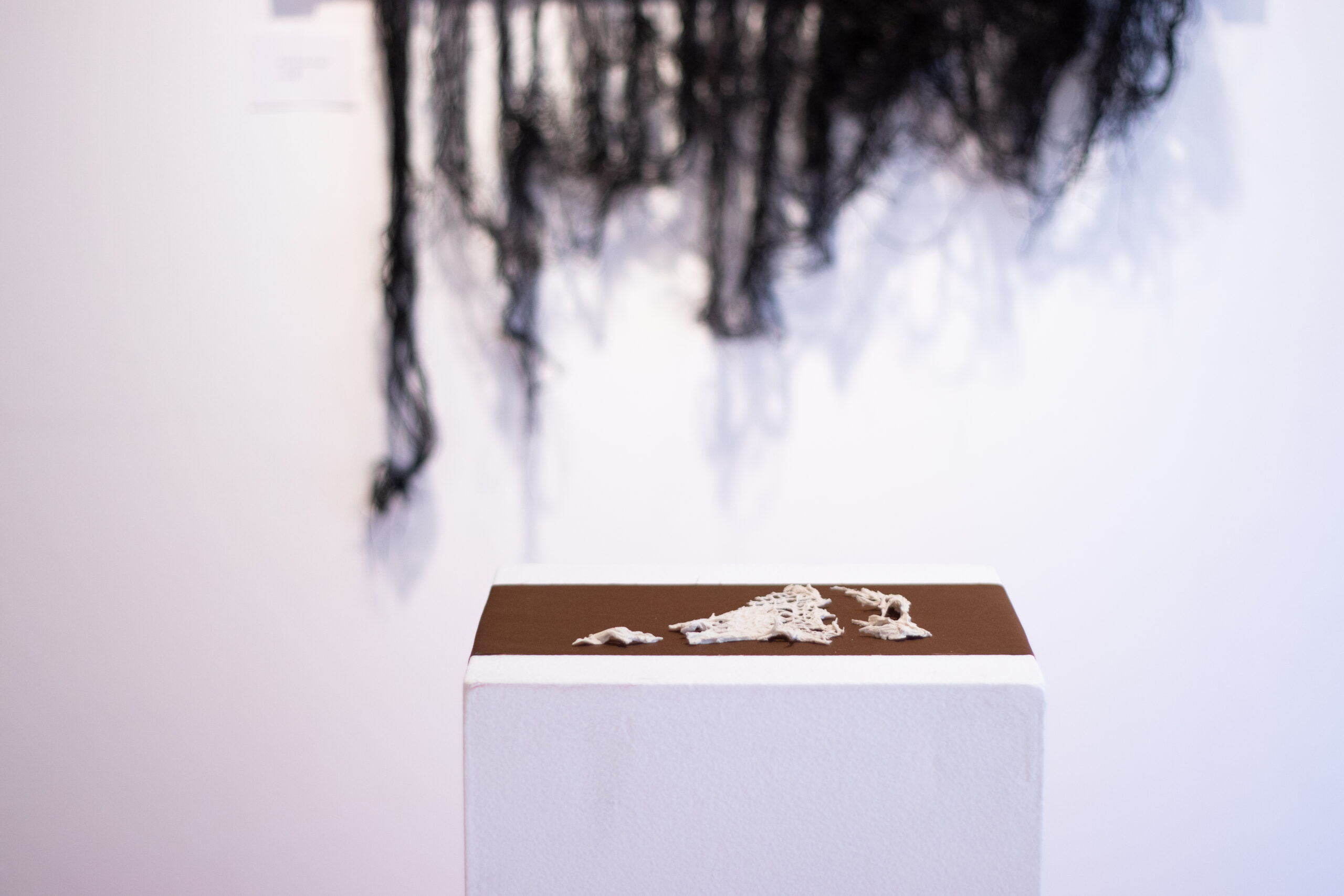
Project description: From terracotta to porcelain, from 'messing around with clay' to highly controlled precision work, Yen-Chao's residency projects drew inspiration from the summer garden, incantation rituals, and imaginary artefacts, in the universal language of geometry, texture, and color.
Paras Vijan
Bio : Paras Vijan (b.1994, New Delhi) creates art that begins as a reflection on contemporary society and evolves through research. Working across mediums such as photography and sculpture, Vijan’s installations focus on post-colonial South Asia, particularly on orchestrated historical events and their lasting effects. He is also drawn to exploring extreme postcolonial subcultures in the 21st century, their Neo-liberal foundations, and their impact on modern life. His works probe the conflicts that emerge from shifts in time, technology, and political ideology.
Vijan holds an MFA in photography from Concordia University (2025). Recent exhibitions include: December 5th 1992: a Rehearsal at Pumice Raft (2025) “One by Two” with Fatine-Violette Sabiri at Galerie Eli Kerr (2023) and “Ignition 18” at Galerie Leonard and Bina Ellen (2023).
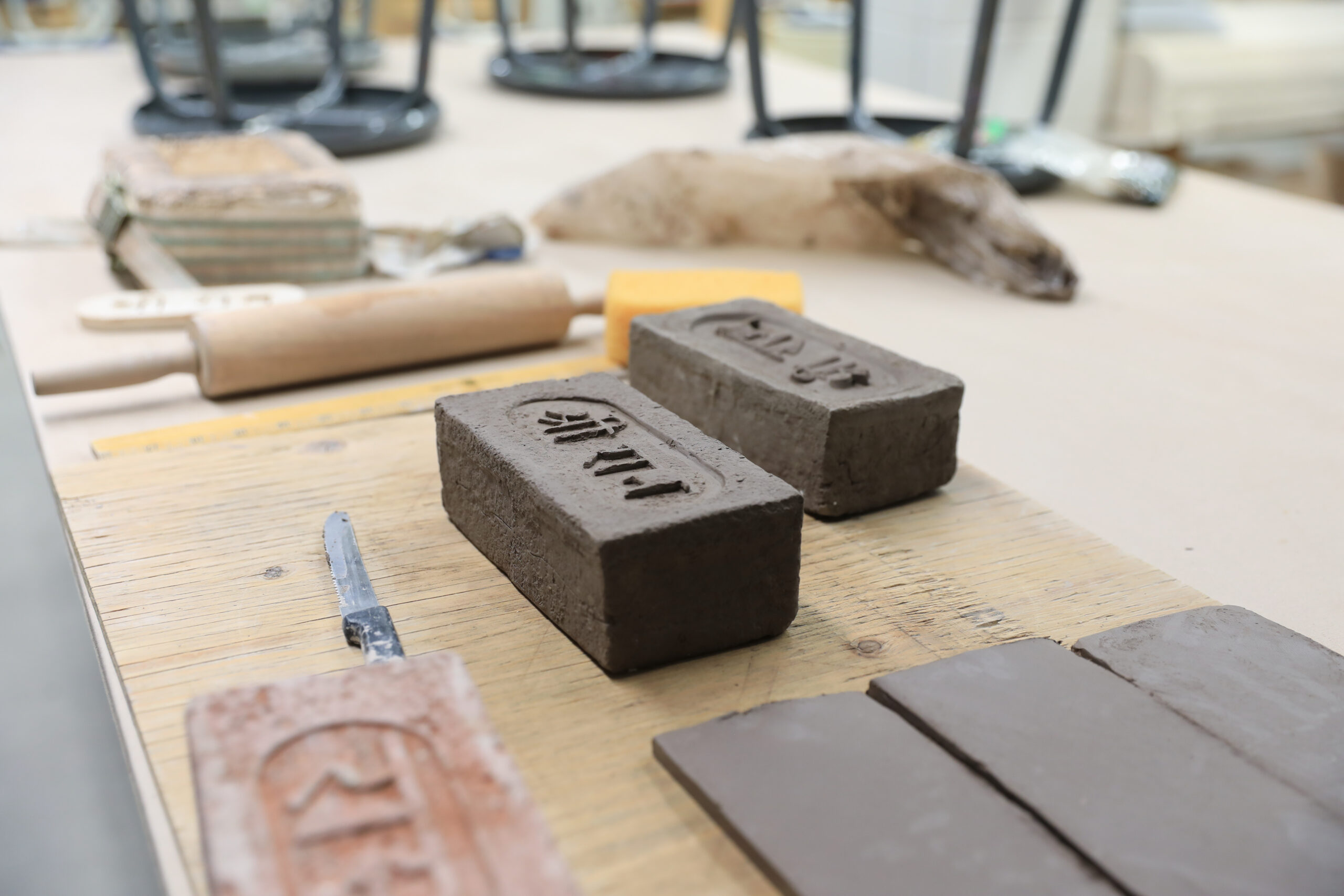
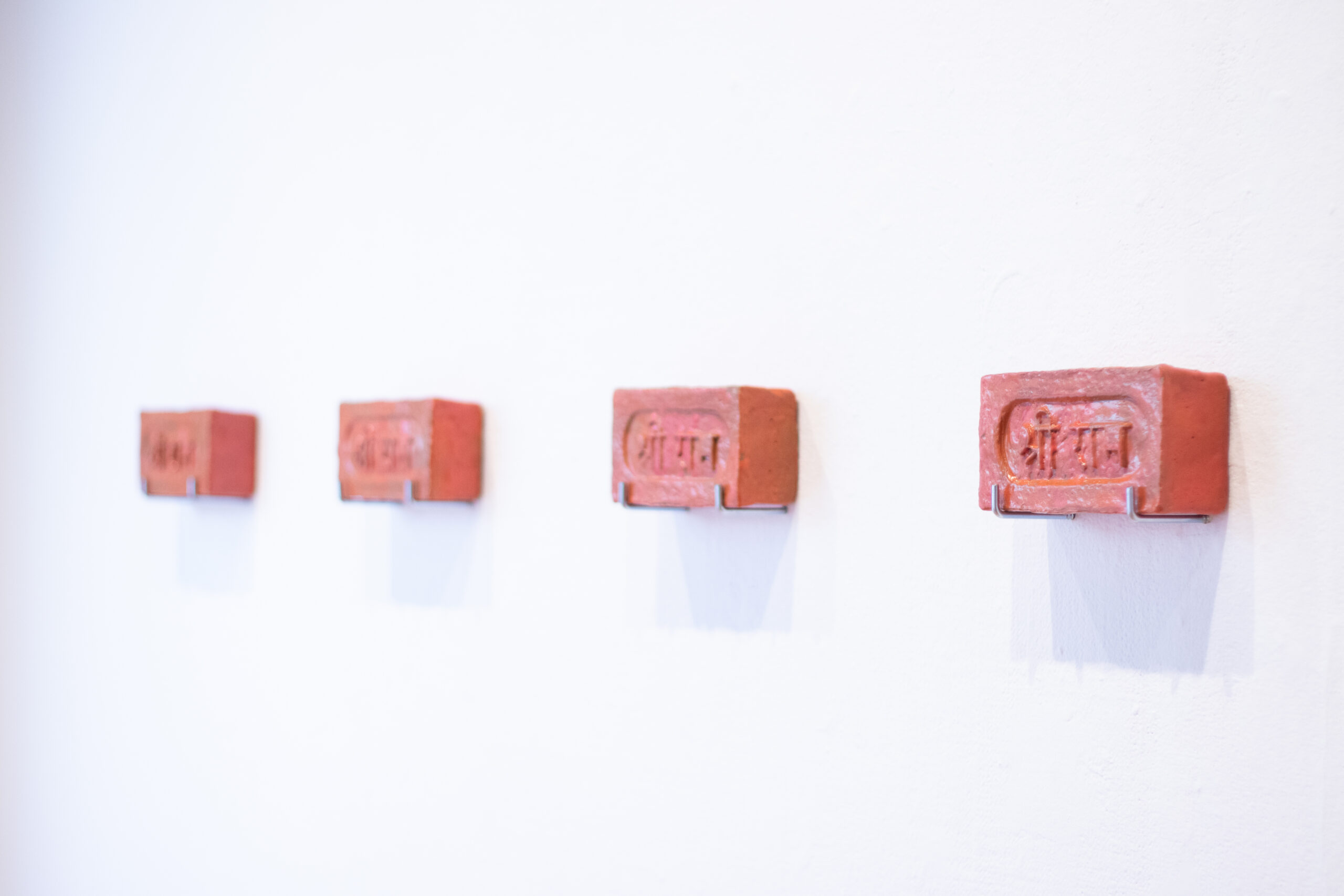
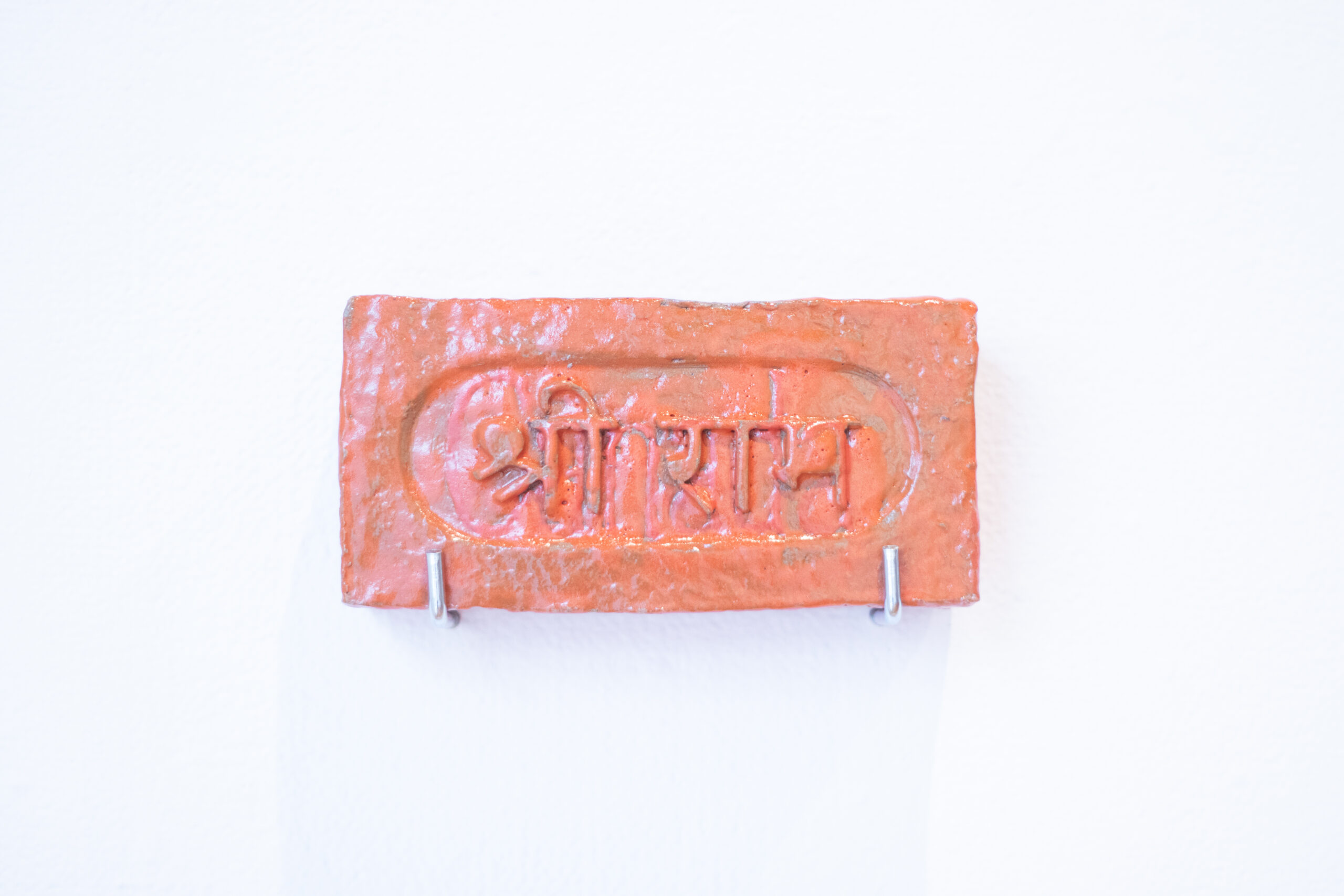
Project description : Friends of the BJP, 2025 : This sculptural installation critiques the hyper performance of identity by diasporic Indian communities, shaped by the saffronisation that followed the 1992 demolition of the Babri Mosque (built in 1528).Prior to the demolition, Indian communities in the West expressed support by funding the movement that led to the destruction of this disputed site of pilgrimage. In addition to international wire transfers, Hindu communities abroad sent bricks made in their respective countries to India as symbolic offerings. Through these donations, the BJP (a rightwing political party in India) and its affiliates collected over 300,000 bricks from around the world. However, when construction of the new Hindu temple began in 2020, none of the donated bricks were used. Today, this stockpile of bricks— needlesly laboured over— undergoes continuous relocation as part of the daily routine at the newly inaugurated temple complex.